
- All
- Product Name
- Product Keyword
- Product Model
- Product Summary
- Product Description
- Multi Field Search
Email:sales@njrecgroup.com
Language
Views: 0 Author: Site Editor Publish Time: 2025-09-15 Origin: Site
Choosing between a double-shed glass insulator and a standard glass insulator is not just a matter of preference; it directly affects flashover probability, mechanical reliability, and the total cost of ownership over a line’s lifespan. For utilities and contractors, understanding these trade-offs is essential to minimize risks in polluted or coastal regions and to keep long-term maintenance predictable. Nanjing Rainbow Electric Co., Ltd. (NJREC) manufactures a complete range of glass insulators, including standard, fog type, and double-shed designs, giving project owners the flexibility to select the most suitable product for each environment. This article explores the differences between standard and double-shed glass insulators and provides a structured way to evaluate which option fits your project.
The standard type glass insulator remains the most widely used option on transmission and distribution networks worldwide. It is manufactured from toughened tempered glass, designed to insulate and mechanically support conductors under tension. Its simple bell-shaped profile provides a balance of electrical performance and cost efficiency. These insulators are typically deployed in rural or low-pollution environments where the risk of contamination flashover is minimal. NJREC standard glass insulators have long been relied upon in overhead lines, offering easy visual inspection for defects such as cracks or punctures. For networks where conditions are stable and maintenance intervals are manageable, the standard type is often the baseline choice.
The double-shed glass insulator features an extended profile with two sheds, effectively increasing the creepage distance along its surface. This design reduces leakage currents and lowers the probability of flashover in polluted atmospheres such as industrial areas, coastal zones, or regions exposed to heavy salt fog. By interrupting water film formation and increasing insulation path length, the double-shed type achieves better pollution performance. NJREC’s double-shed glass insulators are particularly effective for high-voltage overhead lines operating under challenging environmental stress, delivering both mechanical strength and improved insulation reliability.
The most critical distinction between standard and double-shed types is creepage distance. Creepage is the surface path along the insulator where leakage current can form. Standard insulators provide adequate creepage for clean or lightly polluted regions. However, in high-salt or dusty conditions, leakage currents increase, raising the risk of flashover. The double-shed design introduces additional surfaces and longer creepage paths, significantly lowering flashover probability. Utilities in coastal or desert regions often favor double-shed insulators for this reason, as the design enhances line reliability without constant cleaning.
Both standard and double-shed glass insulators are manufactured to meet international standards for tensile load capacity. The tempered glass body provides excellent resistance to mechanical stress and fracture. In most cases, the mechanical strength ratings are equivalent between the two designs, as both types must support conductor tension and wind loads. What differentiates them is not strength but environmental endurance. NJREC ensures that every glass insulator—whether standard or double-shed—undergoes rigorous tensile and bending tests before shipment, giving asset managers confidence in mechanical performance.
Surface hydrophobicity is another factor influencing leakage current. Glass naturally has a relatively smooth, hydrophilic surface, meaning that in wet or polluted conditions, water films can form. This is where coatings such as RTV silicone come into play. RTV-coated glass insulators combine the mechanical transparency of glass with the hydrophobic surface of silicone, significantly reducing leakage current. For heavily polluted regions, a double-shed profile with RTV coating provides the highest defense against flashover. This combination ensures water does not form continuous conductive paths, further reducing maintenance requirements.
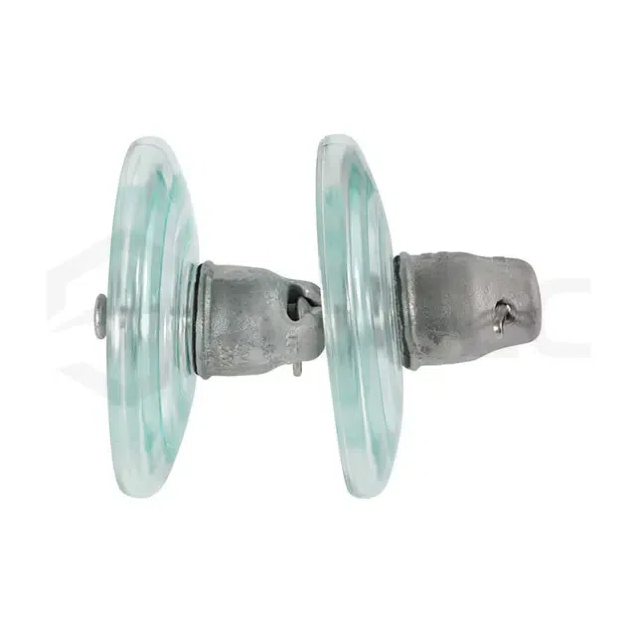
When evaluating insulators, procurement officers must look beyond unit price. Standard type glass insulators are typically less expensive upfront, but in high-pollution regions, they may require frequent washing and monitoring. Each washing cycle involves labor, equipment, and potential outage costs. On the other hand, double-shed glass insulators, though slightly more expensive initially, reduce the frequency of cleaning and extend the mean time between failures. When the cost of outages and emergency repairs is factored in, double-shed types often deliver a lower lifecycle cost in challenging conditions.
Investing in double-shed or RTV-coated glass insulators pays dividends in areas with persistent pollution sources. For example, transmission lines near coastal zones face salt spray, which accelerates leakage current. Industrial belts may expose insulators to chemical or dust contamination. In such scenarios, the cost of cleaning or outages often exceeds the small premium paid for a double-shed or RTV-coated insulator. NJREC offers both standard and enhanced designs, enabling utilities to match the product to the severity of the operating environment without over- or under-spending.
For rural lines, agricultural areas, or mountainous regions with low contamination levels, standard glass insulators remain the most cost-effective solution. Their proven reliability and lower unit cost make them ideal where pollution is not a primary concern.
In coastal regions or islands where salt spray is unavoidable, double-shed insulators or RTV-coated types are recommended. The extended creepage distance of the double-shed design and the hydrophobic properties of RTV silicone significantly reduce flashover risk, minimizing maintenance cycles.
In environments where maintenance access is limited, such as deserts with fine dust or industrial belts with heavy emissions, the optimal choice is an RTV-coated double-shed glass insulator. This combination provides the highest resistance to contamination flashover and minimizes the need for cleaning, ensuring reliable operation with minimal intervention.
When preparing procurement documents, it is essential to specify minimum acceptance tests such as dielectric withstand, tensile strength, mechanical load, and thermal shock resistance. Both standard and double-shed glass insulators from NJREC are manufactured under strict quality standards and come with complete test reports.
Packaging plays an important role in ensuring insulators arrive without damage. Wooden crates with cushioning materials prevent chipping during transport. Buyers should also request sample testing or factory acceptance tests (FAT) to verify electrical and mechanical values before dispatch. NJREC offers FAT options to international customers, providing transparency and confidence in product quality.
Procurement teams should not hesitate to ask vendors about long-term field performance. Useful questions include: How long have the insulators been in service in polluted zones? What is the average washing cycle in coastal installations? Has the vendor supplied to utilities in similar conditions? These questions help buyers validate the insulator’s performance claims and ensure they are choosing a product with proven reliability.
Selecting between a standard glass insulator and a double-shed glass insulator is ultimately a matter of balancing performance and cost in the context of environmental conditions. Standard designs serve well in clean or rural regions, while double-shed and RTV-coated types reduce maintenance and outage risks in polluted or coastal environments. By quantifying benefits such as reduced flashover probability and fewer washings, procurement teams can make data-backed choices that lower lifecycle costs. Nanjing Rainbow Electric Co., Ltd. (NJREC) offers a complete range of glass insulators tailored to these scenarios, from standard type glass insulators to double shed glass insulators and RTV-coated designs. For detailed specifications, certified test reports, or a lifecycle cost estimate, please contact us today.


