
- All
- Product Name
- Product Keyword
- Product Model
- Product Summary
- Product Description
- Multi Field Search
Email: sales@njrecgroup.com
Views: 0 Author: Site Editor Publish Time: 2025-12-01 Origin: Site
Transformers rarely fail without warning, but their bushings often show the first signs. A damaged transformer bushing can overheat, leak oil, or trigger dangerous flashovers. These issues can lead to insulation breakdown or even full transformer failure. In this post, you'll learn the key warning signs to watch for and why early detection matters.
Oil seepage often appears around the flange when seals age or lose elasticity, and it may spread slowly along the bushing neck. Uneven bolt pressure can also distort the gasket surface, so small gaps form and allow oil to escape. When oil drops, the insulation inside weakens, and moisture slips in, increasing the risk of internal discharge. It can also indicate early-stage overheating that stresses the sealing parts.
Cracks often develop on porcelain or polymer housings after long periods of electrical stress, vibration, or contamination, and even tiny fractures can create dangerous weak points. Dust, salt, and pollution settle on the surface, and humidity forms a thin conductive layer. This layer supports tracking, causing faint spark marks that grow into full flashovers. When cracks expand, they allow moisture to move deeper, and it accelerates dielectric breakdown inside the bushing.
Carbon streaks or blackened marks usually show that partial discharge has already begun, creating a visible trail of heat damage on the surface. PD gradually erodes insulation, so the bushing starts losing its dielectric strength. Arcing leaves circular burn spots near the sheds or mounting region, and these marks often connect to internal insulation issues hidden inside the capacitive core. Discoloration around the terminal region may also signal overheating from loose contacts.
A swollen or distorted bushing body suggests internal pressure build-up, and this pressure often comes from overheating or gas generation in the insulation oil. When gases accumulate, the internal layers push outward, so the shape becomes uneven or slightly bulged. This is a dangerous sign, because deformation can rupture the housing or collapse the internal capacitor layers. Even minor changes in shape call for immediate inspection, as they usually progress quickly under load.
Bolts may loosen from vibration, temperature swings, or improper installation, and a tilted bushing exposes gaps around the gasket. These gaps invite moisture and dust, which travel down into the transformer tank. Loose hardware interrupts grounding continuity, so small stray currents develop along the end-screen path. As grounding resistance rises, internal discharge becomes more likely, raising both thermal stress and mechanical instability.
OIP bushings depend on consistent oil levels to maintain strong insulation, and low oil immediately reduces dielectric strength. When oil drops below the required range, the internal paper layers overheat and break down faster, releasing gases like acetylene during arcing. High oil level may also indicate trapped gases expanding inside the structure. Any deviation from normal range shows that internal pressure or thermal imbalance is occurring.
Corrosion near grounding pads or hardware usually forms when moisture accumulates around metal interfaces, and rust weakens the electrical bonding path. Poor grounding increases end-screen discharge, which introduces local heating and electrical stress into the bushing base. Rusted hardware may also lose mechanical strength, allowing vibration to widen gaps and reduce grounding reliability. If corrosion spreads, the bushing becomes unstable both electrically and structurally.
Visual Sign | What It Indicates | Risk Level |
Oil leaks | Seal degradation, moisture entry | High |
Surface cracks | Tracking, weakened insulation | High |
Burn marks | Partial discharge or arcing | Very High |
Bulging | Internal gas pressure rise | Critical |
Loose hardware | Grounding loss, moisture entry | Medium–High |
Low oil level | Reduced dielectric strength | High |
Corrosion | Poor grounding and discharge | High |
Infrared scanning often reveals hotspots on a bushing surface, and these hotspots usually form when internal connections loosen. A loose connector increases resistance, so current flow generates more heat through I⊃2;R losses. It may start as a small warm area, but it grows quickly under load. Thermal images help technicians see patterns that normal visual checks miss, because heat spreads through metal parts before other signs appear. If a hotspot sits near the conductor interface, it often indicates early-stage contact degradation.
A single bushing may run hotter than others, and this difference is one of the clearest diagnostic warnings. When only one phase shows abnormal temperature, the issue usually sits inside that specific bushing, not across the entire transformer. A system-wide rise, however, may indicate cooling failure or load imbalance. Comparing the phases helps identify whether the heat comes from aging insulation, loose hardware, or internal discharge. It also helps confirm if the overheating is steady, sudden, or load-dependent.
Overloading forces the bushing to carry more current than intended, and this extra current stresses insulation layers. High load accelerates dielectric aging because heat builds up faster than it can escape through oil or air. As insulation weakens, partial discharges may develop inside the capacitive core. These small discharges add more heat, forming a cycle that speeds up internal breakdown. Even short periods of overload can raise temperatures enough to damage seals, conductor joints, and internal metallic screens.
Heat gradually hardens bushing seals, so they lose flexibility and begin to crack. When seals fail, oil escapes through tiny gaps, and this oil loss reduces dielectric strength inside the bushing. Leaks also let moisture enter, creating a path for discharge along internal layers. The combination of heat stress, pressure changes, and aging materials makes seals very vulnerable. If the oil leak appears near the base flange, it often connects to long-term thermal stress that pushed the seals beyond their design limits.
Diagnostic Sign | Likely Cause | Risk Level |
Hotspot on IR scan | Loose connector, high resistance | High |
One-phase high temp | Internal bushing defect | High |
Multi-phase high temp | Cooling system issue | Medium |
Heat-cracked seals | Oil leak, moisture entry | Very High |
A healthy transformer bushing operates quietly, so new or intensified noises often signal hidden problems. Humming may grow louder when mechanical parts loosen, and vibration travels through the bushing body. Buzzing can appear when corona discharge forms around contaminated surfaces, because ionized air creates rapid micro-arcs. Crackling is more serious, since it often reflects unstable electrical activity inside stressed insulation. These sounds can change under load, temperature shifts, or humidity, making them important early indicators. Engineers often use acoustic probes to confirm the noise location, because surface sounds may mask deeper defects.
Partial discharges produce sharp, irregular clicks or faint “pops,” and the sound repeats as internal electric fields stress weak insulation. It often forms in areas where moisture, trapped air, or degraded layers reduce dielectric strength. These small discharges erode the insulation each time they occur, so the bushing slowly loses its ability to contain high voltage. We may hear them more clearly during quiet periods or low ambient noise, and the sound typically clusters near the capacitive core. If the PD grows stronger, the noise becomes more frequent as the insulation deteriorates at a faster rate.
A burnt smell is one of the strongest sensory warnings, and it usually means insulation is overheating. When oil decomposes under high heat, it releases sharp odors that spread around the bushing base. This happens when internal layers reach temperatures high enough to break down oil molecules, so gases form and pressure increases. A “hot oil” smell may appear before any visible damage, because the vapor escapes through tiny gaps in aging seals. If the odor is stronger near the terminal or flange region, it can indicate contact heating from loose connections. These smells often accompany discoloration or small leak trails.
Sensory Sign | What It Suggests | Severity |
Loud humming or buzzing | Corona, vibration, loose parts | Medium–High |
Crackling noise | Unstable discharge or insulation stress | High |
Audible PD clicks | Internal dielectric breakdown | Very High |
Burnt or hot-oil odor | Overheating, oil decomposition | Critical |
Dust, salt, and industrial pollutants settle on bushing surfaces, and they form a thin conductive layer once moisture mixes into the residue. This layer lowers the flashover voltage sharply, so surface arcs become more likely during humid or foggy conditions. It may start as a dull film across the sheds, but heavy industrial areas often show thicker buildup. When pollution accumulates, it creates uneven electric fields, pushing stress toward the edges of the bushing. The contamination also traps moisture, so leakage current rises, especially during wet seasons.
Moisture enters through cracked gaskets or poorly sealed joints, and it moves into the insulation layers over time. As moisture spreads, it reduces dielectric strength and accelerates internal aging. The process may be slow, but early signs appear around the flange area, where small droplets form under high humidity. Damaged sealing points allow moist air to circulate inside the bushing, and this air carries contaminants deeper. It often leads to partial discharge in the capacitive core because weakened insulation can no longer withstand high electric fields.
Tracking failure develops when wet surfaces support leakage current, and this current slowly burns carbon paths along the sheds. It often appears after long periods of fog or rain, especially in coastal or polluted regions. The arcs start small, but they grow quickly when humidity remains high. We may see faint burn marks or shiny carbon trails that follow the surface contours. Rainwater also collects on horizontal surfaces, raising the chance of flashovers because the water bridges conductive pollution deposits.
Bird nests, leaves, and wind-blown debris often lodge near bushing terminals, and these materials hold moisture. When they sit close to energized parts, they distort the electric field and create local discharge points. Nesting materials also block ventilation, so heat builds around the bushing head. Debris may touch grounded metal, forming an unintended path for current that sparks during wet weather. Small branches or wires can trigger intermittent arcs, and these arcs scar the surface even if they last only a moment.
Irregularities inside the capacitive core often begin during production, and they distort the electric field around the internal layers. Misaligned foils shift electrical stress toward one side, while trapped air pockets weaken insulation strength. As voltage rises, these defects encourage partial discharge, and each discharge erodes the insulation further. The damage then spreads through the core as heat develops along stressed points. It may appear later as rising tan delta values or sudden capacitance changes, even when the exterior seems normal.
End screens must maintain a stable ground path, and any break in this path raises local electrical stress. Loose welds or vibration can weaken the connection, so current looks for another path through the insulation. This creates discharge at the screen edge, and the discharge gradually carbonizes the surrounding material. The grounding fault also increases stray currents along metal surfaces, and these currents heat the bushing base. Over time, discharge marks appear near the mounting area as the insulation loses strength.
Solder joints inside the bushing must remain mechanically strong and electrically consistent, but poor soldering introduces high-resistance spots. When current flows through these spots, it produces concentrated heat, and the heat accelerates insulation aging around the joint. Thread mismatches between connectors cause the same effect, because poor contact forces current through small areas. The localized temperature rise may create gas pockets, and these pockets expand under load. Once gas pressure increases, mechanical deformation or leakage may follow.
Incorrect assembly places mechanical stress on the bushing structure, and stressed components crack under vibration or temperature changes. A misaligned tube or uneven clamping can bend conductive parts, so internal layers rub against one another. This friction removes protective coatings and exposes insulation to electric fields. The damaged areas then heat up faster than the rest of the structure, creating early hotspots. Assembly flaws can also distort gaskets, allowing moisture to enter and speed up internal breakdown.
Tip: Early factory defects usually hide deep inside the bushing, so any sudden change in capacitance, power factor, or temperature should be treated as a warning even when the bushing looks healthy on the outside.
A small oil leak often looks harmless at first, yet it slowly weakens the insulation inside the bushing. As the oil level drops, it loses dielectric strength, and moisture enters through tiny gaps around the seal. Moisture spreads across paper layers, so partial discharge forms where the insulation becomes soft. When humidity rises, the wet insulation allows leakage current to flow along the surface. Eventually, the weakened path supports a flashover, and the arc jumps across the bushing during a normal voltage surge. The flashover burns the surface, forcing the transformer into a critical condition.
Partial discharge starts as faint electrical activity deep inside the capacitive core, and it repeats every cycle. Each discharge removes a bit of insulation, creating tiny carbon spots. These spots grow into carbonized tracks, and carbon conducts current more easily than healthy insulation. As the carbon layer thickens, it spreads toward adjacent layers, so hotspots develop around the defect. The rising temperature accelerates carbon growth, and the insulation eventually collapses under the electric field. The breakdown forms an internal short that rapidly drives fault current into the transformer windings.
Once an internal short develops, heat rises sharply, and the oil surrounding the bushing begins to decompose. Decomposition forms gases, and these gases expand inside the tank, raising internal pressure. If pressure rises too quickly, safety devices cannot release it in time. The tank may rupture, and the sudden release of hot gases ignites surrounding oil. The fire spreads along the bushing base or tank wall, and strong arcs continue feeding heat into the structure. In severe cases, the transformer explodes as arcs vaporize oil faster than the tank can vent it.
A bushing failure affects more than one transformer, because it disrupts voltage stability across the connected network. When the faulty transformer trips offline, nearby units must pick up the load, and this shift stresses other equipment. Sensitive loads may experience voltage dips, flicker, or phase imbalance. Industrial facilities can suffer stalled motors or equipment shutdowns as the grid struggles to stabilize. If the failure occurs in a substation, it may disconnect entire feeders, and thousands of customers can lose power in seconds.
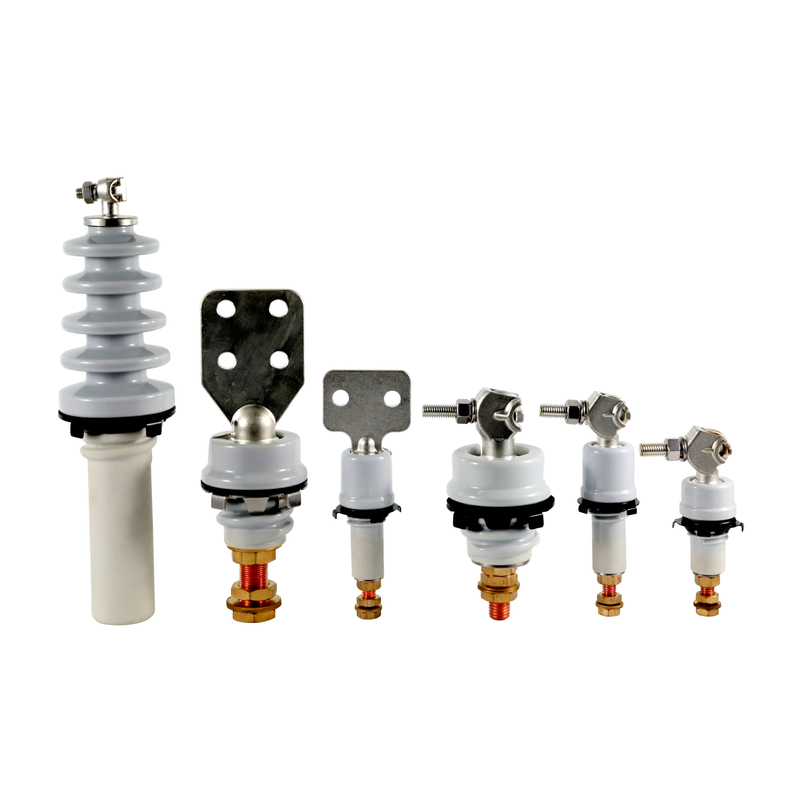
A thorough visual inspection reveals early surface damage, and it helps identify issues before deeper tests begin. Engineers check for oil leaks around the flange, because leaks suggest weakened seals or internal pressure changes. Cracks or burn marks on the sheds show surface discharge, and discoloration may indicate heating from loose connections. Thermal scans then confirm abnormal temperature rise, and hotspots appear when resistance increases inside the conductor path. These patterns help pinpoint the exact location where the bushing is beginning to fail.
Electrical testing provides a clearer view of insulation health, and tan delta measurements show how well the insulation handles electric stress. When tan delta rises, moisture often plays a role, and aging insulation loses its ability to resist voltage. Capacitance tests detect shifts inside capacitive layers, because misaligned or damaged foils change how the bushing stores charge. Power factor tests measure the losses inside the insulation, and a jump in power factor indicates early breakdown. These tests work together, and they reveal problems long before they appear on the surface.
Oil-impregnated paper (OIP) bushings release gases when insulation heats or arcs, so dissolved gas analysis becomes essential. Acetylene appears when internal arcing begins, and even a small trace shows the insulation is burning. Hydrogen rises when overheating occurs inside the conductor, and methane or ethane reflect thermal decomposition of oil. The gas patterns help identify whether the bushing suffers from partial discharge, overheating, or severe arcing. Technicians compare results across samples, because a trend often predicts failure more accurately than a single test.
Replacement depends on both severity and trend, and sudden rises in tan delta or capacitance often require immediate action. If gas concentrations climb quickly, the bushing may be near failure, and replacement becomes the safest choice. Slow changes, however, may allow monitoring, especially when temperatures remain stable. Visual cracks, deformation, or recurring hotspots generally point toward replacement, because mechanical damage rarely improves over time. Engineers weigh the operational load, age of the bushing, and risk of cascading faults before making the final decision.
Early warning signs protect equipment, people, and the grid. Regular inspections and data-based monitoring help catch issues before failure grows. Transformer bushings rarely fail instantly, and small symptoms appear long before major faults. Reliable products from Rainbow support safer operation and deliver long-term value through stable performance and trusted engineering.
A: A bad transformer bushing often shows oil leaks, surface cracks, hotspots, or unusual noise.
A: Overheating appears as localized hotspots and rising temperature compared to other phases in the transformer bushing.
A: Moisture, aging insulation, or internal defects can trigger partial discharge inside a transformer bushing.
A: Replace it when tests show rapid insulation decline, gas buildup, or repeated thermal faults in the transformer bushing.


