
- All
- Product Name
- Product Keyword
- Product Model
- Product Summary
- Product Description
- Multi Field Search
Email: sales@njrecgroup.com
Views: 0 Author: Site Editor Publish Time: 2026-01-18 Origin: Site
Have you ever wondered how often transformer bushings need inspection? These critical components ensure the safe operation of electrical systems. In this article, we will explore the importance of transformer bushings and the recommended inspection frequency. You’ll learn best practices for maintaining these vital parts to enhance safety and efficiency.
Transformer bushings are critical components in electrical systems. They serve as insulated conduits, allowing high-voltage conductors to pass safely through grounded barriers like transformer tanks. By doing so, they maintain electrical insulation and prevent short circuits.
There are three primary types of transformer bushings:
● Oil-Impregnated Paper (OIP): These bushings utilize paper insulation saturated with oil. They are reliable and commonly used in many transformers.
● Resin-Impregnated Paper (RIP): This type replaces liquid insulation with solid epoxy resin, minimizing leakage risks and maintenance needs.
● Gas-Insulated (GIS): These bushings use pressurized SF6 gas as insulation, ideal for compact installations and high-voltage applications.
Bushing Type | Key Features | Common Applications |
Oil-Impregnated Paper (OIP) | Liquid insulation, traditional design | Standard transformers |
Resin-Impregnated Paper (RIP) | Solid insulation, maintenance-free | Modern electrical systems |
Gas-Insulated (GIS) | Compact, high voltage, environmentally friendly | Gas-insulated switchgear |
The insulation in transformer bushings is vital. It ensures that electrical energy does not leak into the grounded structures, which could lead to catastrophic failures. Properly functioning insulation protects both equipment and personnel from dangerous electrical faults.
Transformer bushings play a crucial role in electrical insulation and safety. They help maintain the integrity of the electrical system by preventing faults that could lead to outages or equipment damage. When bushings fail, the consequences can be severe.
Failing to maintain transformer bushings can lead to several issues, including:
● Insulation Failure: Over time, insulation can degrade, leading to short circuits and equipment damage.
● Overloading: If bushings are not inspected regularly, they may be subjected to loads beyond their capacity, resulting in overheating.
● Design/Manufacturing Errors: Poorly designed or manufactured bushings can fail unexpectedly, causing significant operational disruptions.
Historical data shows that many transformer failures can be traced back to bushing issues. For example, insulation breakdown and moisture ingress are common culprits. Regular inspections and maintenance can help identify these problems early, preventing costly repairs and ensuring the reliability of electrical systems.
In summary, understanding transformer bushings is essential for maintaining safe and efficient electrical operations. Their role in insulation and safety cannot be overstated, making regular inspections and maintenance critical to preventing failures.
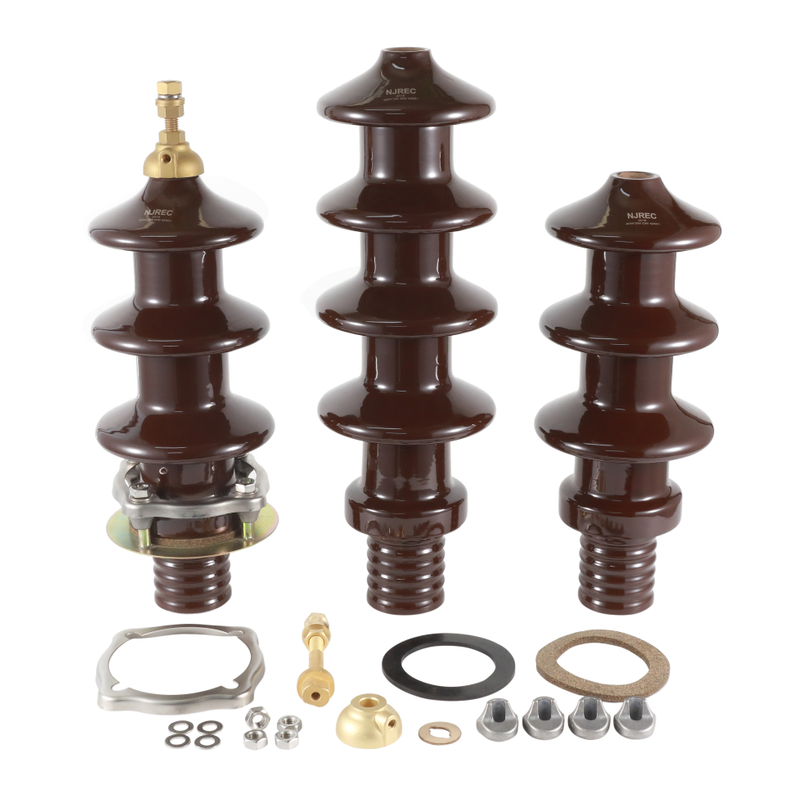
When it comes to transformer bushings, regular inspections are crucial. General recommendations suggest annual inspections as a standard practice. This frequency helps catch potential issues early, ensuring the reliability of the electrical system. However, for critical applications or older bushings, increasing the inspection frequency may be necessary.
For example, transformers in harsh environments or those subjected to heavy loads should be inspected more frequently. This proactive approach can prevent unexpected failures and costly downtime.
Several factors influence how often transformer bushings should be inspected:
● Age of the Transformer and Bushings: Older equipment is more prone to wear and tear, necessitating more frequent checks. As bushings age, their insulation properties can degrade, increasing the risk of failure.
● Environmental Conditions: Humidity, pollution, and extreme temperatures can all affect bushing health. For instance, bushings in coastal areas may face accelerated degradation due to salt exposure.
● Load Conditions and Operational Stress: Transformers operating near their maximum capacity experience more stress. This can lead to overheating and insulation breakdown, making regular inspections essential.
A study by Hartford Steam Boiler Inspection & Insurance Co. highlighted that insulation failure and design/manufacturing errors are leading causes of transformer failures. Regular inspections can help identify these issues before they escalate.
When determining how often to inspect transformer bushings, several key considerations come into play.
● Manufacturer's Recommendations: Always refer to the manufacturer's guidelines. These recommendations provide valuable insights tailored to specific transformer models and their operational contexts.
● Historical Performance Data: Analyzing past inspection results can reveal trends. If previous inspections have identified recurring issues, it may indicate the need for more frequent checks.
● Environmental Impact: The location of the transformer significantly affects bushing health. For instance, bushings in industrial areas may accumulate pollutants more quickly, necessitating increased inspection frequency.
● Comparison of Inspection Practices: Different types of transformers require different inspection approaches. Liquid-filled transformers may have different maintenance needs compared to dry-type transformers.
Inspection Aspect | Liquid-Filled Transformers | Dry-Type Transformers |
Inspection Frequency | Annual, more frequent for older units | Annual, may vary based on conditions |
Environmental Considerations | Monitor oil levels and leaks | Regular cleaning to remove dust |
Common Issues | Oil leaks, insulation failure | Dust accumulation, overheating |
By considering these factors, you can develop a tailored inspection schedule that enhances the reliability and safety of your transformer bushings. This proactive approach ultimately leads to more efficient operations and reduced risk of failure.
Visual inspections are a crucial first step in assessing the condition of transformer bushings. When performing these inspections, there are key aspects to check:
● Signs of Wear and Damage: Look for cracks, chips, or other visible defects on the bushing surface. These can indicate serious issues that may lead to failure.
● Contamination: Check for dirt, oil leaks, or any foreign substances that can affect insulation performance. Contaminated bushings are more susceptible to failure.
Additionally, it’s essential to inspect seals and gaskets. These components prevent moisture ingress and maintain insulation integrity. If they are damaged or worn, it can lead to significant problems.
To conduct effective visual inspections, you’ll need some basic tools:
● Flashlight: For illuminating hard-to-see areas.
● Binoculars: Useful for inspecting tall or hard-to-reach bushings.
● Inspection Mirror: Helps view areas that are typically obstructed.
Recommendations for inspections include both external and internal checks. For internal inspections, it’s critical to de-energize the transformer. This ensures safety and allows for a thorough examination of the bushing's internal condition.
In addition to visual inspections, electrical testing provides deeper insights into the health of transformer bushings. Key diagnostic tests include:
● Power Factor Testing: This assesses the insulation quality by measuring the power factor of the bushing. A high power factor could indicate insulation degradation.
● Dissolved Gas Analysis (DGA): This test examines gases dissolved in the insulating oil. It can reveal issues like overheating or arcing within the bushing.
Performing these electrical tests in conjunction with visual inspections is essential. It allows for a comprehensive assessment of the bushing's condition. Monitoring changes over time is equally important. By tracking trends in test results, you can identify developing issues before they escalate into failures.
Test Type | Purpose | Frequency of Testing |
Power Factor Testing | Assesses insulation quality | Annually or as needed |
Dissolved Gas Analysis | Detects overheating or arcing issues | Quarterly or semi-annually |
Keeping transformer bushings clean is vital for their longevity and performance. Regular cleaning helps prevent contamination that can lead to insulation failure. Here are some recommended cleaning methods based on contamination levels:
● Light Contamination: Use a soft cloth or brush to gently remove dust and debris.
● Moderate Contamination: A mild detergent solution can be used, followed by thorough rinsing.
● Heavy Contamination: In severe cases, professional cleaning services may be required to ensure all contaminants are removed.
Regular cleaning not only extends the lifespan of transformer bushings but also improves their operational efficiency. For dry-type transformers, it’s especially important to remove dust and debris from enclosures. Dust accumulation can lead to overheating and reduced performance, so maintaining a clean environment is essential.
By implementing these best practices for inspecting transformer bushings, you can significantly enhance their reliability and safety. Regular inspections, thorough cleaning, and appropriate electrical testing are key components of effective maintenance strategies.
Neglecting transformer bushing inspections can lead to serious failures, particularly insulation failures. Insulation breakdown is often caused by factors like moisture ingress, overheating, and aging materials. When insulation fails, it compromises the bushing's ability to function, leading to potential electrical faults.
Several case studies illustrate the impact of bushing failures. For instance, a major utility company faced a significant outage when a bushing failure caused a transformer to trip offline. This incident resulted in a loss of service to thousands of customers and incurred hefty repair costs. Statistics show that nearly 30% of transformer failures are attributed to issues related to bushings.
Minor issues, such as small cracks or slight contamination, can escalate into major failures if not addressed promptly. For example, a small crack may allow moisture to enter, leading to insulation degradation. Over time, this can result in overheating, arcing, and ultimately, catastrophic failure of the transformer.
The safety hazards associated with transformer bushing failures cannot be overlooked. When bushings fail, they can cause electrical arcing, which poses a fire risk. Additionally, the release of insulating oil can create environmental hazards, leading to costly cleanup operations.
Neglecting maintenance also has significant economic implications. The costs associated with repairs, downtime, and lost productivity can be staggering. For example, a single transformer failure can lead to repair costs exceeding $100,000, not to mention the financial impact of service interruptions.
Cost Implications | Estimated Financial Impact |
Repair Costs | $50,000 - $100,000 per failure |
Downtime Costs | $10,000 - $30,000 per hour |
Environmental Cleanup | $20,000 - $50,000 depending on severity |
Proactive maintenance is essential to avoid these catastrophic events. Regular inspections and timely interventions can significantly reduce the risk of failures. By addressing minor issues before they escalate, organizations can protect their assets, ensure safety, and maintain operational efficiency. Investing in maintenance ultimately pays off by preventing costly outages and enhancing the reliability of transformer systems.
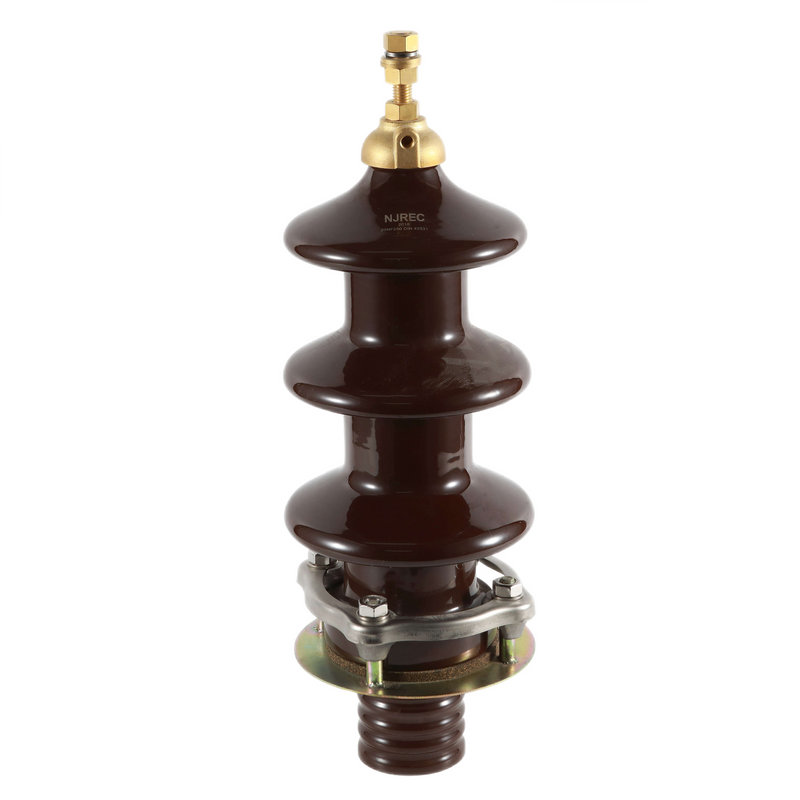
Regular inspections of transformer bushings are crucial for ensuring reliability and safety. These inspections help identify potential issues early, preventing costly failures. Developing a proactive maintenance plan is essential for maintaining optimal performance. Consulting with professionals can provide tailored strategies that meet specific needs.
Readers are encouraged to assess their current inspection practices. For expert advice and maintenance services, NJREC offers valuable solutions. Their products are designed to enhance efficiency and reliability, ensuring your systems operate smoothly.
A: Transformer bushings should generally be inspected annually. However, for critical applications or older units, more frequent inspections may be necessary.
A: Transformer bushings are insulated conduits that allow high-voltage conductors to pass through grounded barriers safely.
A: Regular inspections of transformer bushings help identify potential issues early, preventing costly failures and ensuring system reliability.
A: Factors include the age of the transformer, environmental conditions, and operational stress. These can all affect the condition of transformer bushings.
A: Neglecting inspections can lead to insulation failures, increased downtime, and costly repairs due to unexpected transformer failures.


