
- All
- Product Name
- Product Keyword
- Product Model
- Product Summary
- Product Description
- Multi Field Search
Email: sales@njrecgroup.com
Views: 0 Author: Site Editor Publish Time: 2026-01-22 Origin: Site
Have you ever considered how crucial insulators are in our electrical systems? Glass insulators play a vital role in maintaining safety and efficiency. In coastal environments, unique challenges like humidity and saltwater corrosion can affect performance. In this post, we’ll discuss the five key benefits of using toughened glass insulators specifically designed for these challenging conditions.
Glass insulators are essential components in electrical systems. They support conductors and prevent unwanted current flow. Typically, they come in several types, including toughened and laminated insulators. Each type serves a specific purpose based on its material properties.
● Toughened Glass Insulators: These are heat-treated to enhance strength and safety, making them ideal for high-stress environments.
● Laminated Glass Insulators: Made by bonding layers of glass, they offer added protection against shattering.
Common materials for glass insulators include high-quality glass, which is chosen for its durability and electrical insulating properties. The manufacturing process ensures they withstand harsh conditions, especially in coastal areas.
The production of toughened glass insulators involves a precise manufacturing process. First, standard glass is heated to high temperatures, close to its softening point. Then, it undergoes rapid cooling using high-pressure air jets. This process creates internal stress and enhances the glass's strength.
1. Heating: The glass is uniformly heated to about 600°C.
2. Rapid Cooling: High-pressure air jets cool the glass quickly, creating compressive stress on the surface.
3. Internal Stress Creation: This balance of compression and tension results in a stronger and more durable product.
Compared to traditional glass insulators, toughened glass insulators exhibit significantly improved performance. They can resist impacts and thermal stress better, making them suitable for demanding applications.
Toughened glass insulators offer several advantages that make them a preferred choice in various applications. Their enhanced properties include superior strength, durability, and safety features.
● Superior Strength: Toughened glass insulators are five times stronger than regular glass. This increased strength allows them to handle higher loads and resist breakage.
● Safety Features: In the event of breakage, they shatter into small, blunt pieces instead of sharp shards. This reduces the risk of injury, especially in high-traffic areas.
● Compliance with Industry Standards: These insulators meet rigorous safety standards, ensuring they are safe for use in critical applications.
Using toughened glass in high-stress environments provides significant benefits. Their resistance to corrosion and environmental factors makes them especially valuable in coastal settings, where conditions can be harsh.
Feature | Toughened Glass Insulators | Traditional Glass Insulators |
Strength | Higher | Lower |
Breakage Behavior | Blunt fragments | Sharp shards |
Resistance to Corrosion | Excellent | Moderate |
Compliance with Standards | Yes | Varies |
Choosing toughened glass insulators enhances overall system reliability and safety, making them an excellent investment for electrical infrastructure, particularly in coastal regions.
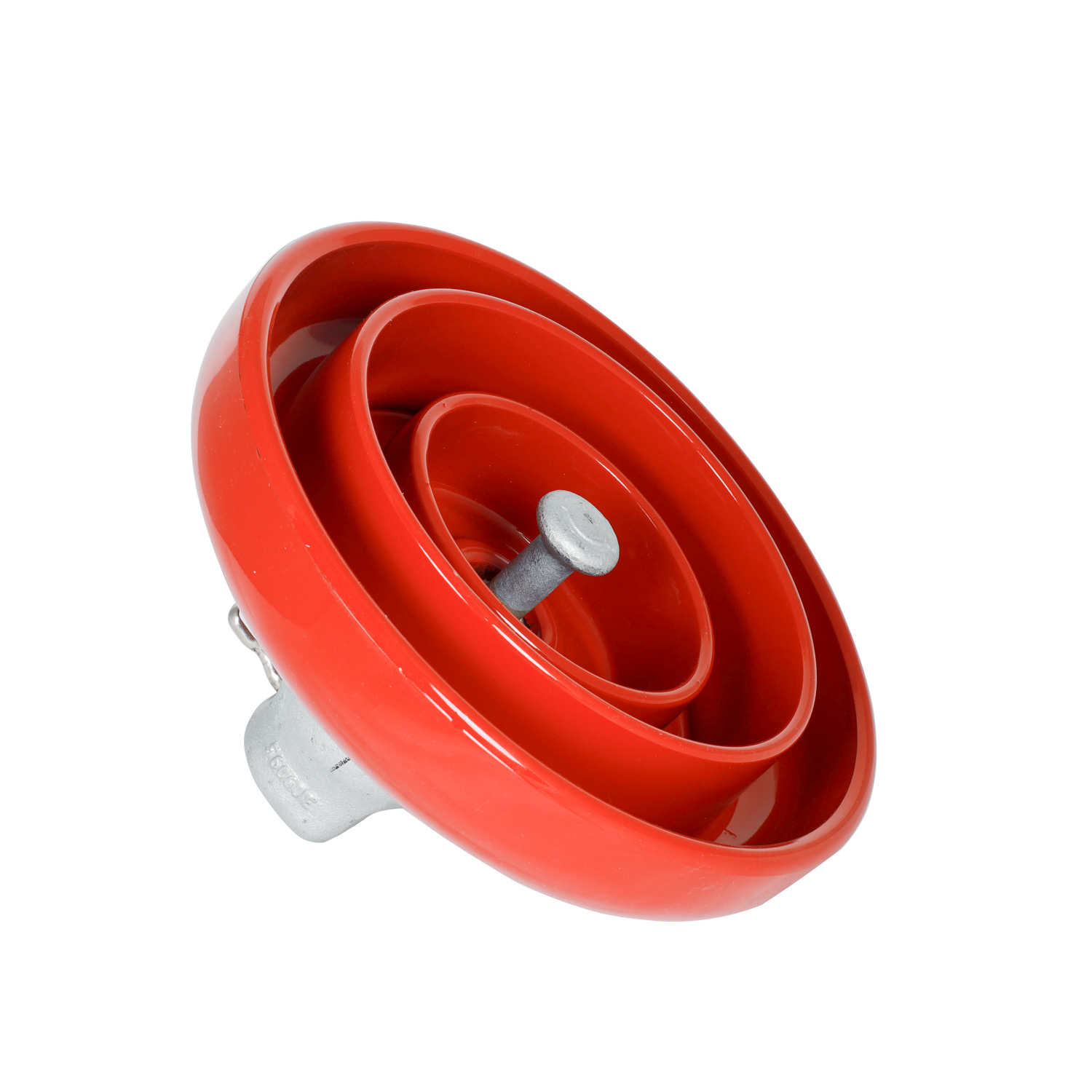
Coastal environments pose unique challenges, particularly regarding corrosion. The combination of saltwater, humidity, and harsh weather can significantly increase the risk of corrosion for electrical components. Toughened glass insulators excel in this aspect because they are designed to withstand these harsh conditions effectively.
● Resisting Saltwater and Humidity: Toughened glass insulators are less susceptible to the corrosive effects of saltwater compared to traditional materials like ceramics and polymers. Their smooth surface prevents the accumulation of salt deposits, which can lead to degradation over time.
● Successful Implementations: A notable example is the use of toughened glass insulators in wind farms along coastal regions. These installations have reported minimal maintenance issues, demonstrating the effectiveness of glass insulators in resisting corrosion.
● Material Comparison: While ceramic insulators can crack under stress and polymers may degrade due to UV exposure, toughened glass remains intact and functional. This resilience makes it a preferred choice for coastal applications.
When comparing toughened glass insulators to other materials, durability is a key factor. Toughened glass is known for its exceptional strength, which is crucial in coastal environments where weather conditions can be extreme.
● Material Comparison: Toughened glass insulators outperform ceramics and polymers in terms of longevity. They can endure higher mechanical stress without failing, making them ideal for long-term use.
● Factors Contributing to Durability: The manufacturing process involves thermal tempering, which enhances the internal structure of the glass. This process creates compressive stress on the surface, allowing it to resist impacts and thermal fluctuations.
● Maintenance and Lifespan: Toughened glass insulators require minimal maintenance, often lasting for decades without significant wear. Many coastal projects have successfully utilized these insulators for over 20 years, showcasing their reliability.
Material | Durability | Maintenance Needs | Lifespan |
Toughened Glass | High | Low | 20+ years |
Ceramic | Moderate | Moderate | 10-15 years |
Polymer | Low | High | 5-10 years |
Dielectric strength is critical in electrical applications. It measures an insulator's ability to withstand electric fields without breaking down. Toughened glass insulators maintain high dielectric properties, making them suitable for coastal conditions.
● Importance in Applications: High dielectric strength helps prevent electrical failures, ensuring that energy systems remain operational even in adverse weather.
● Maintaining Properties: Toughened glass insulators are engineered to retain their dielectric strength despite exposure to moisture and salt. This characteristic ensures consistent performance in coastal areas.
● Impact on Reliability: The reliability of electrical systems is significantly enhanced when using toughened glass insulators. Their ability to withstand high voltages without degradation is crucial for maintaining safety and efficiency.
One of the standout features of toughened glass insulators is their lightweight nature. This characteristic simplifies the installation process, making it faster and more cost-effective.
● Advantages of Lightweight Materials: Being lighter than traditional materials means reduced structural support is needed. This can lower overall construction costs and simplify logistics.
● Installation Comparisons: Installing toughened glass insulators typically requires less time compared to heavier alternatives. For instance, in a recent coastal project, using toughened glass resulted in a 30% reduction in installation time compared to ceramic insulators.
● Real-World Examples: Coastal wind farms have successfully adopted toughened glass insulators, benefiting from quicker installation and reduced labor costs. Their ease of handling contributes to overall project efficiency.
Safety is paramount in any electrical infrastructure. Toughened glass insulators offer significant safety features that set them apart from traditional options.
● Safety Features: Unlike regular glass, toughened glass shatters into small, blunt pieces upon breakage. This reduces the risk of injury during accidents or extreme weather events.
● Breakage Patterns: The controlled breakage pattern of toughened glass insulators ensures that, even under stress, they do not produce sharp shards that can cause harm.
● Importance in Coastal Infrastructure: In coastal environments, where storms and high winds are common, the safety features of toughened glass insulators are vital. They provide peace of mind for both operators and the public.
● Impact on Maintenance Costs: The inherent safety of toughened glass insulators can lead to lower maintenance and operational costs. Fewer breakages mean less frequent replacements, making them a cost-effective choice over time.
Toughened glass insulators play a vital role in high-voltage power transmission lines. These insulators are crucial for maintaining the integrity of electrical systems, especially in coastal areas where weather conditions can be unpredictable.
● System Integrity During Storms: Toughened glass insulators are designed to withstand high winds and heavy rains, ensuring that power lines remain stable and functional. Their durability helps prevent outages during storms, which are common in coastal regions.
● Successful Implementations: For instance, several power companies along the U.S. East Coast have adopted toughened glass insulators in their transmission networks. These installations have reported fewer outages and reduced maintenance costs, highlighting the effectiveness of these insulators in challenging environments.
Company | Location | Outcome |
Atlantic Power | New Jersey | 20% reduction in outages |
Pacific Energy | California | Improved reliability in storms |
Gulf Coast Utilities | Florida | Lower maintenance expenses |
In the telecommunications sector, toughened glass insulators are essential for supporting antennas and cables. Their robust design ensures signal integrity, which is critical in coastal regions where interference can occur due to environmental factors.
● Supporting Antennas and Cables: These insulators provide stability for communication equipment, allowing for uninterrupted service. They protect against moisture and corrosion, which can degrade performance.
● Case Studies: A notable project involved the installation of toughened glass insulators in a coastal telecommunications tower. The tower maintained signal strength during severe weather, showcasing the reliability of glass insulators in safeguarding communication lines.
Toughened glass insulators are increasingly utilized in renewable energy installations, particularly in wind farms and solar energy plants. Their ability to withstand harsh coastal conditions makes them an ideal choice for these projects.
● Application in Wind Farms: In wind energy projects, toughened glass insulators support the electrical connections between turbines and the grid. Their resilience ensures that power is transmitted efficiently, even in high-wind areas.
● Benefits in Solar Energy Systems: Solar installations benefit from the durability of toughened glass insulators, which help maintain system performance under varying weather conditions.
● Project Examples: One successful example is the use of toughened glass insulators in a wind farm off the coast of Texas. This project reported minimal downtime during storms, demonstrating the effectiveness of these insulators in renewable energy applications.
Project Type | Location | Benefit |
Wind Farm | Texas | Minimal storm-related downtime |
Solar Farm | California | Consistent energy output |
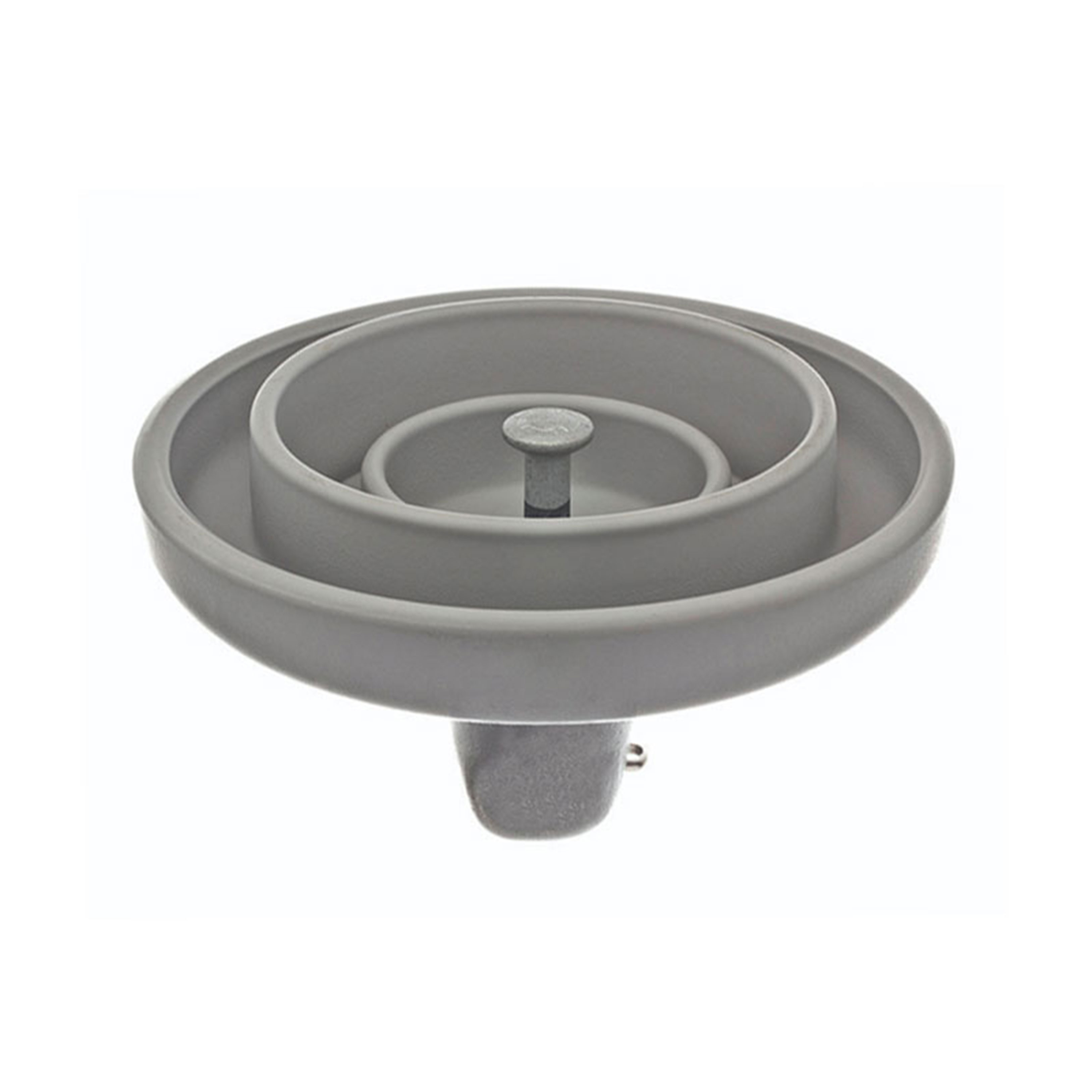
Toughened glass insulators provide essential benefits in coastal environments. They offer enhanced corrosion resistance, improved durability, and high dielectric strength. These features ensure safety and reliability during harsh weather conditions. Choosing the right insulator is vital for maintaining system integrity. Companies like NJREC deliver exceptional products that enhance performance and longevity. Consider toughened glass insulators for your future projects to maximize value and safety.
A: Toughened glass insulators are specialized electrical components designed to withstand harsh environmental conditions, especially in coastal areas.
A: Toughened glass insulators offer enhanced corrosion resistance and durability, making them ideal for coastal environments where other materials may fail.
A: Toughened glass insulators support antennas and cables, ensuring stable signal transmission even in challenging coastal weather.
A: While initial costs may be higher, toughened glass insulators reduce maintenance and replacement expenses due to their long lifespan and durability.
A: Toughened glass insulators are generally more resistant to corrosion and breakage, making them a better choice for coastal applications.


